
Tagged - Meet, Chat & Dating
Ifwe Inc.Social
4.1135.19K Reviews
- Version
- 232.1
- Installs
- 50.00M
- Age Rating
- Mature 17+
Screenshots



Our Review of Tagged - Meet, Chat & Dating
 Analysis by Appyee
I approached Tagged - Meet, Chat & Dating as a social app first and a dating app second. That distinction matters because the experience is built around meeting people, chatting, and spending time in live video spaces rather than simply browsing a quiet list of profiles. If you enjoy lively conversations and do not mind deciding quickly who deserves your attention, it has a very different feel from a traditional swipe-focused service.
Tagged is free to install, is made by Ifwe Inc., and is listed for mature users aged 17 and over. It has been available since January 12, 2011, and its current version is 232.1 for devices running Android 8.0 or later. The app has reached over 50 million installs, with an average rating of 4.1 from around 1.1 million ratings. Those figures suggest a large, active audience, although a large audience also means more varied behavior and more effort is needed to judge conversations for yourself.
What the social experience feels like in everyday use
My first impression is that Tagged is designed for people who want social momentum. Instead of opening the app only when they have a carefully written message in mind, users can move between profiles, chats, and live video activity. That makes it useful when you want casual interaction after work, a quick conversation during a break, or a way to meet people outside your existing circle.
The strongest use case is someone who likes spontaneous contact. For example, imagine finishing dinner and wanting company without arranging a full evening out. Tagged can give you a place to browse available conversations and see who is active. I would use it with a clear, modest goal: talk to a few people, notice whether the exchange feels respectful, and leave if the atmosphere becomes uncomfortable. That approach is more rewarding than treating every new contact as a potential date.
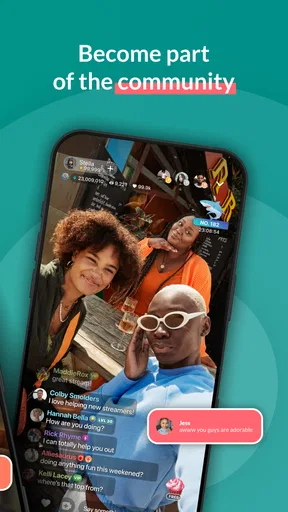
The live video element changes the pace. Text chat gives you time to think, while live interaction places more pressure on your attention and boundaries. It can make a conversation feel more immediate, but it also makes the app less suitable for someone who prefers slow introductions or carefully filtered matches. If you regularly feel drained by public conversations, a quieter dating service may suit you better.
Why Tagged differs from ordinary dating alternatives
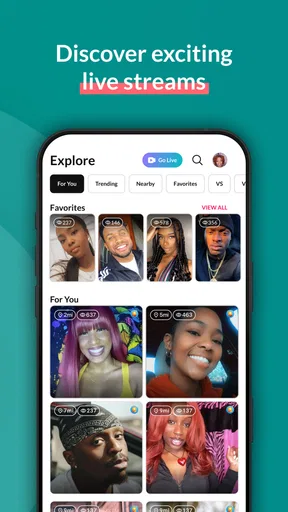
Compared with a conventional swipe app, Tagged feels less dependent on a single matching decision. A swipe service generally encourages a narrow routine: view a profile, approve or reject it, and wait for mutual interest. Tagged is more open-ended. The social side can lead to conversations that are not immediately romantic, which is helpful if your goal is friendship, entertainment, or simply meeting people from different backgrounds.
That openness is also a trade-off. A focused dating app may be easier when you know exactly what you want, such as a serious relationship and a limited number of carefully presented matches. Tagged can feel noisier because social discovery and dating intentions may overlap. I would not choose it as my only tool for a highly structured search, but I can see the appeal for someone who wants more room for casual interaction.
It also differs from a private messaging app. A messaging service is usually built around people you already know, while Tagged is about discovering new contacts. That makes the app more exploratory, but it removes the familiarity that makes ordinary messaging feel safe. I would keep personal conversations separate from sensitive accounts, financial details, and information that could identify where I live.
Controls matter more when conversations are public or live
Trust in a social app is not just about how polished the interface looks. I pay attention to what I can control before I share anything, especially when video and direct conversation are involved. On Tagged, the practical question is whether I can make decisions at my own pace: whether to respond, whether to continue, and whether to disengage when a conversation stops feeling right.
The most useful habit is to treat every new interaction as optional, not as an obligation. I would avoid moving immediately from a public setting into a more personal conversation. A short exchange can reveal a lot: whether someone answers questions directly, respects a pause, and accepts a simple boundary without trying to negotiate it.
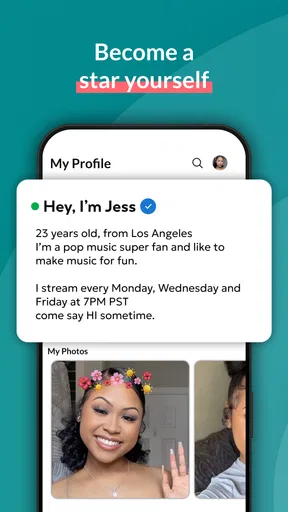
For a new account, I recommend using a profile that says enough to invite conversation but not enough to expose a routine. A first name or nickname, broad interests, and a general location are safer starting points than a workplace, exact neighborhood, or daily schedule. This is not about being unfriendly; it is about keeping control while you learn how the community behaves.
Before using live video, I would also check the visible account and privacy choices available in the app and review them again after major updates. The current version is 232.1, and interface locations can change over time. If a control is difficult to find, I would not assume the default is ideal for me. I would pause, inspect the relevant settings, and only then continue.
Data-sensitive moments deserve extra attention
Social apps create several moments where people share more than they intended. A live background can reveal a room, a street view can reveal a location, and casual conversation can disclose work hours or travel plans. Tagged’s live format makes this especially important because the setting around you may communicate information even when you never say it aloud.
I would use a neutral background and avoid showing documents, badges, delivery labels, school items, or distinctive views from home. If I were chatting from a shared space, I would use headphones and keep the camera pointed away from other people unless they had clearly agreed to appear. These small choices reduce exposure without making the app difficult to use.
Another sensitive moment comes when someone asks to continue elsewhere. Moving to another service can be reasonable after trust develops, but urgency is a warning sign. I would not share a phone number, private social profile, email address, or payment information simply because a conversation feels exciting. If a person refuses to continue within the app until I provide personal details, I would end the exchange.
Money requests deserve an immediate stop. The app is free, but it includes in-app purchases ranging from $0.99 to $249.99 per item. That makes it important to distinguish between spending inside the app and sending money to another person. I would use the platform’s purchase controls deliberately, set a personal limit, and never treat a stranger’s request as proof of affection or urgency.
How I would manage a first week on the app
I would begin by observing rather than trying to be visible everywhere. I would complete only the profile fields that help people understand my interests, then spend time noticing the kinds of conversations that appear. This gives me a better sense of whether the community matches my expectations before I invest emotional energy.
My second step would be to start with text. Text gives me a record of the conversation and makes it easier to notice pressure, contradictions, or disrespect. I would not feel obliged to join live video just because someone invited me. A person who is worth talking to should be able to handle a slower pace.
For the first few conversations, I would use simple questions about hobbies, films, music, food, or local activities rather than personal history. The aim is not to conduct an interrogation. It is to see whether the other person can hold a balanced conversation. If every answer turns into a request, a compliment designed to rush intimacy, or an attempt to move off-platform, I would stop replying.
My third step would be a settings check. I would look for account, notification, privacy, and purchase options that are visible to me, then turn off anything that makes the app intrusive. I would also make sure I know how to leave a conversation and how to report or block an account if those controls are offered in the interface. A social app is much easier to enjoy when I know I can exit quickly.
Who will enjoy it, and who should skip it
Tagged is a good fit for people who like meeting strangers, can handle a busy social environment, and are comfortable with conversations that may be friendly, flirtatious, or simply casual. It can also suit someone who wants dating to feel less formal. The combination of chat and live video creates opportunities for quick chemistry that a profile grid cannot always provide.
I would recommend it cautiously to a person who is new to online dating but willing to learn good boundaries. The app can be approachable because there is more to do than wait for a match. However, I would encourage a new user to begin slowly and avoid assuming that activity equals trustworthiness. A crowded community gives you choice, not automatic safety.
I would skip it if I wanted a highly curated dating process, minimal social noise, or a service centered on long-form profiles and deliberate matching. I would also avoid making it my main option if live video makes me uncomfortable. There is no benefit in forcing yourself into a format that raises your anxiety. A text-first or relationship-focused alternative may be a better fit in that situation.
It is also not ideal for someone who struggles to say no to in-app spending. The free entry point is useful, but optional purchases can become tempting when an app is built around attention and social discovery. I would decide in advance whether I am willing to spend anything and would keep that decision separate from the mood of a conversation.
Small choices that improve the experience
One non-obvious advantage of a social-first app is that you can judge compatibility through behavior before labeling the interaction as dating. I would use that to my advantage. Rather than asking immediately whether someone is “the one,” I would watch how they respond when I disagree, take a break, or decline a request. Those moments are more informative than an attractive opening line.
A second useful tactic is to separate discovery from commitment. I might browse and chat during a short, planned session instead of leaving notifications active all day. This keeps Tagged from taking over my attention and makes it easier to notice whether I am enjoying conversations or simply responding out of habit.
A third is to keep a simple personal rule for moving from app conversation to a meeting. I would want consistent communication, no pressure for private information, and a public first meeting with my own transportation. I would tell someone I trust where I am going and avoid changing the plan at the last minute for a person I have only recently met online.
Finally, I would be selective about live appearances. Joining every available video interaction may increase activity, but it also increases exposure. I would choose moments when I have privacy, good lighting, and enough time to leave comfortably. If the environment becomes hostile or sexual in a way I did not invite, I would leave rather than trying to correct the room.
What the rating and scale tell me
The app’s 4.1 average and roughly 135 thousand written reviews indicate broad engagement, but I would read that reputation carefully. A large social platform can produce very different experiences depending on who is active in a user’s area, how much time they spend filtering conversations, and whether they use live video or text more often.
Its reach of more than 50 million installs is useful because a larger community generally gives you more chances to find a compatible conversation. At the same time, scale can make the experience less personal. More profiles do not automatically mean better matches, and more activity can mean more unwanted messages to manage.
I would treat the mature age rating as a reminder to use adult judgment, not as a guarantee that every interaction will be mature or respectful. The rating sets an age expectation for the product; it does not replace my responsibility to protect my privacy, recognize manipulation, and leave conversations that cross a line.
My cautious verdict after weighing the trade-offs
I find Tagged most convincing as a flexible social meeting place with dating potential. Its chat and live video combination gives it more immediacy than a standard profile-and-swipe routine, and the free starting point makes it easy to explore without committing financially. The developer is Ifwe Inc., and the app’s long availability and large user base give it the presence needed for social discovery.
Still, I would not describe it as effortless. The same openness that creates spontaneous conversations also creates noise. You need patience to filter people, discipline around purchases, and care with everything visible in a live setting. The app can be enjoyable when I stay in control of the pace, but it becomes a poor choice when I allow strangers to set the speed or direction of an interaction.
My recommendation is therefore conditional: try it if you want active social discovery and are comfortable setting firm boundaries. Start with limited profile information, use text before video, review the controls you can see, and keep financial and personal details private. If you want a quieter, more structured path toward a serious relationship, I would choose a more focused dating service instead. For the right user, Tagged is engaging; for everyone else, its busy social format may create more work than connection.
Verdict
Strengths of Tagged - Meet, Chat & Dating
- Large user base makes it easier to discover new people.
- Supports messaging and social interaction beyond traditional dating.
- Profile browsing is simple and easy to navigate.
- Offers live features that can make conversations more engaging.
- Available on both Android and iOS devices.
Limitations of Tagged - Meet, Chat & Dating
- Many useful features require a paid subscription or virtual credits.
- Profiles and activity levels can vary significantly by location.
- The app may show frequent ads for free users.
- Some interactions may feel more social than genuinely dating-focused.
- Users should stay alert for fake profiles and suspicious messages.
Similar Picks in This Category
View All
Meta Platforms, Inc.4.6

Instagram4.0

Likee-Live, Chat & Party Games
Likeme Pte. Ltd.4.4

Facebook Lite
Meta Platforms, Inc.4.5

TikTok - Videos, Shop & LIVE
TikTok Pte. Ltd.4.0

Moj: Free Short Drama & Reels
ShareChat4.1
You May Also Like
View All
Frequently Asked Questions
What is Tagged – Meet, Chat & Dating used for?
Tagged is a social discovery and dating app designed for meeting new people, chatting, and potentially forming romantic connections. After creating a profile, you can browse other members, send messages, and interact through social features. It may be useful for casual conversations, friendship, or dating, but your experience will depend on the people available in your location and how actively you use the app.
Is Tagged free to download and use?
Tagged can generally be downloaded for free on supported Android and iOS devices, and many basic features are available without payment. However, the app may offer optional premium memberships, virtual credits, or in-app purchases that unlock additional benefits or improve visibility. Before subscribing, carefully review the price, billing period, renewal terms, and cancellation instructions shown in the app store.
How do messaging and matching work on Tagged?
The app allows users to discover profiles and start conversations with people who appear interesting. Depending on the feature being used, you may be able to send messages, express interest, or interact socially before deciding whether to continue chatting. Some communication or visibility tools may be limited for free accounts, so the exact experience can vary according to your account type and current app version.
Is Tagged safe for meeting people online?
Tagged includes a reporting and blocking approach intended to help users manage unwanted interactions, but no dating or social app can guarantee that every profile is genuine or trustworthy. Avoid sharing your address, financial information, passwords, or private documents. Be cautious with requests for money, suspicious links, and users who pressure you to move conversations elsewhere. If you meet someone, choose a public place and tell a trusted person.
What should I know about privacy and account management before joining?
Before registering, review the app’s privacy policy and permissions so you understand how profile details, photos, messages, and device information may be handled. Use a strong, unique password and share only information you are comfortable displaying publicly. Also check the account, notification, subscription, and deletion settings. If you purchase premium features, cancel recurring billing through the relevant app store before deleting the app.
